Heavy rain in Redland Bay can quickly expose weak spots in paved surfaces, leaving potholes in an asphalt driveway or bitumen driveway that threaten vehicles, create trip hazards and reduce curb appeal. This guide explains how to assess damage, choose materials, and perform durable pothole repairs you can trust—plus when to call professionals for asphalt driveway installation or larger-scale asphalt carpark construction projects. Advice here is current for 2026 and reflects modern materials and best practices for coastal Queensland conditions.
Why potholes form after heavy rain
Potholes in asphalt and bitumen driveways commonly appear after intense or prolonged rainfall for several reasons:

- Water infiltrates cracks, weakening the underlying base and subgrade. Freeze-thaw cycles (less common in Redland Bay) or repeated vehicle loads cause asphalt to separate from the base. Poor original compaction, improper drainage, or low-quality base materials accelerate failure. Surface oxidation and loss of binder make asphalt brittle and prone to fragmentation.
Understanding these causes helps you choose repair methods that address both the visible hole and the underlying issues.
When to repair yourself and when to call a pro in Redland Bay
Small, shallow potholes (less than 300 mm across and 50–75 mm deep) can often be repaired as a DIY job if you have basic tools and time. Larger holes, numerous interconnected potholes, or issues tied to poor drainage and base failure are best handled by professionals who provide licensed asphalt driveway installation and asphalt carpark construction services.
Call a contractor if:
- The pothole exposes the subgrade or aggregate base. Water pools persistently after rain, indicating drainage problems. Your property has an acreage driveway or long access way where repeated traffic will worsen incomplete repairs. Multiple repairs are required across a driveway—patches may not be cost-effective versus resurfacing.
Materials and tools you need
For effective repairs you need the right materials and tools. Buying products rated for use in Queensland's climate ensures longer-lasting results.
Materials- Hot or cold asphalt patch mix (hot mix is best for longevity; cold mix is acceptable for small, emergency repairs). Tack coat or bitumen emulsion for bonding, especially on vertical edges. Aggregate or crushed rock to rebuild deep voids below the asphalt surface.
- Shovel, pickaxe, and wire brush to clean and square the hole. Plate compactor or hand tamper to compact aggregate and the patch material. Asphalt rake or lute and a heavy-duty tamper for finishing. Protective gear: gloves, eye protection, and appropriate footwear.
Note: The lists above count as two lists in total (one ordered with nested unordered lists). Do not add additional top-level lists elsewhere to remain within format limits.
Step-by-step repair process
1. Assess and mark the area
After rain subsides and the surface is safe to work on, remove standing water and loose debris. Mark the extent of damaged pavement including cracked edges to ensure you remove all unsound material.
2. Square the hole and clean
Cut or chisel the perimeter to create a rectangular or square patch with vertical sides. Vertical, well-defined edges improve adhesion. Remove loose asphalt, dirt and organic matter with a wire brush and blower or broom.
3. Excavate and rebuild base as needed
If the subgrade is soft or the aggregate base is missing, excavate to stable material then add compacted crushed rock in 50–75 mm layers until the hole is close to the surrounding pavement level. Proper compaction is crucial—use a plate compactor or hand tamper until firm. For deep https://rentry.co/zo6s725g holes over 150 mm, consider drainage corrective measures like a geotextile separating layer or improved crossfall to avoid repeat failures.
4. Apply a bonding coat
Apply a tack coat or bitumen emulsion to the vertical sides and base of the prepared hole. This enhances adhesion between old and new asphalt and reduces edge raveling.
5. Place and compact patch material
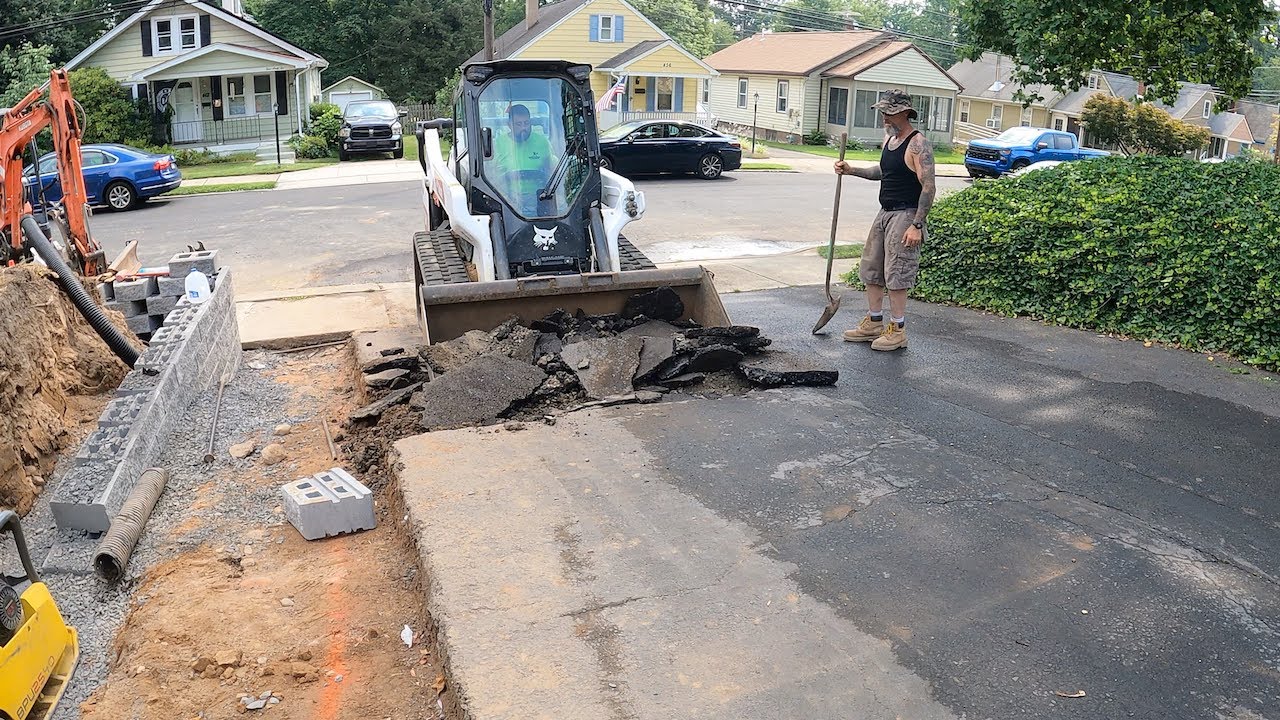
For best results use a hot mix asphalt applied at manufacturer-recommended temperatures. Fill the hole in 25–50 mm lifts, compacting each layer thoroughly. Cold mix is acceptable for small, temporary repairs—compact it aggressively and allow adequate curing time. Finished surface should be slightly crowned to match the existing pavement crossfall and avoid ponding.
6. Finish and seal edges
After compaction, dress edges with a bitumen sealant or emulsion to prevent water ingress between old and new material. Allow the recommended curing time before allowing traffic: typically 24–48 hours for hot mix in local conditions, longer for cold mixes or during cool, wet weather.
Special considerations for Redland Bay and coastal properties
Redland Bay's coastal climate means higher humidity and occasional salt exposure. To maximize longevity:
- Choose mixes with polymer-modified binders when available—these offer improved flexibility and salt resistance. Inspect and improve drainage: ensure gutters, swales and road crossfall shed water away from the driveway. Use geotextiles under heavy loads or where wet subgrades are likely, common on acreage driveway installations.
Maintenance to prevent future potholes
Regular maintenance is the most cost-effective way to extend the life of an asphalt driveway or bitumen driveway:
- Sealcoat every 3–5 years to protect the binder from oxidation and UV damage. Fill cracks promptly with a quality crack filler to prevent water infiltration. Maintain surrounding drainage and vegetation to avoid undermining edges. Schedule professional inspections after extreme weather; contractors experienced in asphalt carpark construction and driveway works can identify early signs of base failure.
Costs and timelines
DIY patch repairs for small potholes are primarily material and tool costs—typically under AUD 200 for small DIY kits but vary by product and availability in Redland Bay. Professional repairs for individual potholes often range from AUD 150–600 depending on size and access; full resurfacing or base reconstruction for an entire asphalt driveway installation or acreage driveway may run into the thousands. Obtain multiple local quotes and ensure contractors are licensed and insured.
Regulations, permits and environmental considerations (2026)
As of 2026, small domestic repairs generally do not require permits in local council areas, but significant reshaping of driveways, changes to stormwater flow, or work within easements may require council approval in Redland Bay and the Redland City Council area. Contractors should follow current environmental best practices: control runoff during works, properly dispose of waste asphalt, and use low-VOC bonding agents where possible. If you plan major upgrades or paving of large areas, confirm any planning requirements before commencing.
When to replace rather than repair
Choose replacement or complete resurfacing if:

- Multiple patches fail within 2–3 years. Over 40% of the driveway surface shows extensive cracking or basal failure. Your site requires a higher-performance solution—for example, an upgraded asphalt carpark construction standard for increased vehicle loads.
Finding qualified contractors in Redland Bay
Look for local contractors with a track record in residential and commercial asphalt works. Ask for:
- References and photos of recent asphalt driveway installation or asphalt carpark construction projects. Written warranties on workmanship and materials. Proof of insurance and relevant Queensland or Australian trade licensing.
Local firms understand coastal factors and can advise on polymer-modified mixes, geotextile use for acreage driveway projects, and long-term maintenance strategies suitable for Redland Bay.
Final tips
After heavy rain, inspect your driveway quickly to catch damage while repairs remain straightforward. For best durability, prioritize restoring proper base support and drainage—not just filling surface holes. When in doubt, consult a qualified contractor to assess whether a repair or an upgrade to a full asphalt driveway installation is the most cost-effective option over the coming years (including projected needs in 2027 and beyond).
Careful, timely repairs preserve safety and property value while making future maintenance simpler and less costly.
Redland Bay Asphalt Driveways
5/50 Jardine Dr, Redland Bay QLD 4165, Australia
ph. (07) 3132 1203